Spoiler Alert: This review contains spoilers for the "Fallout" series on Amazon Prime.
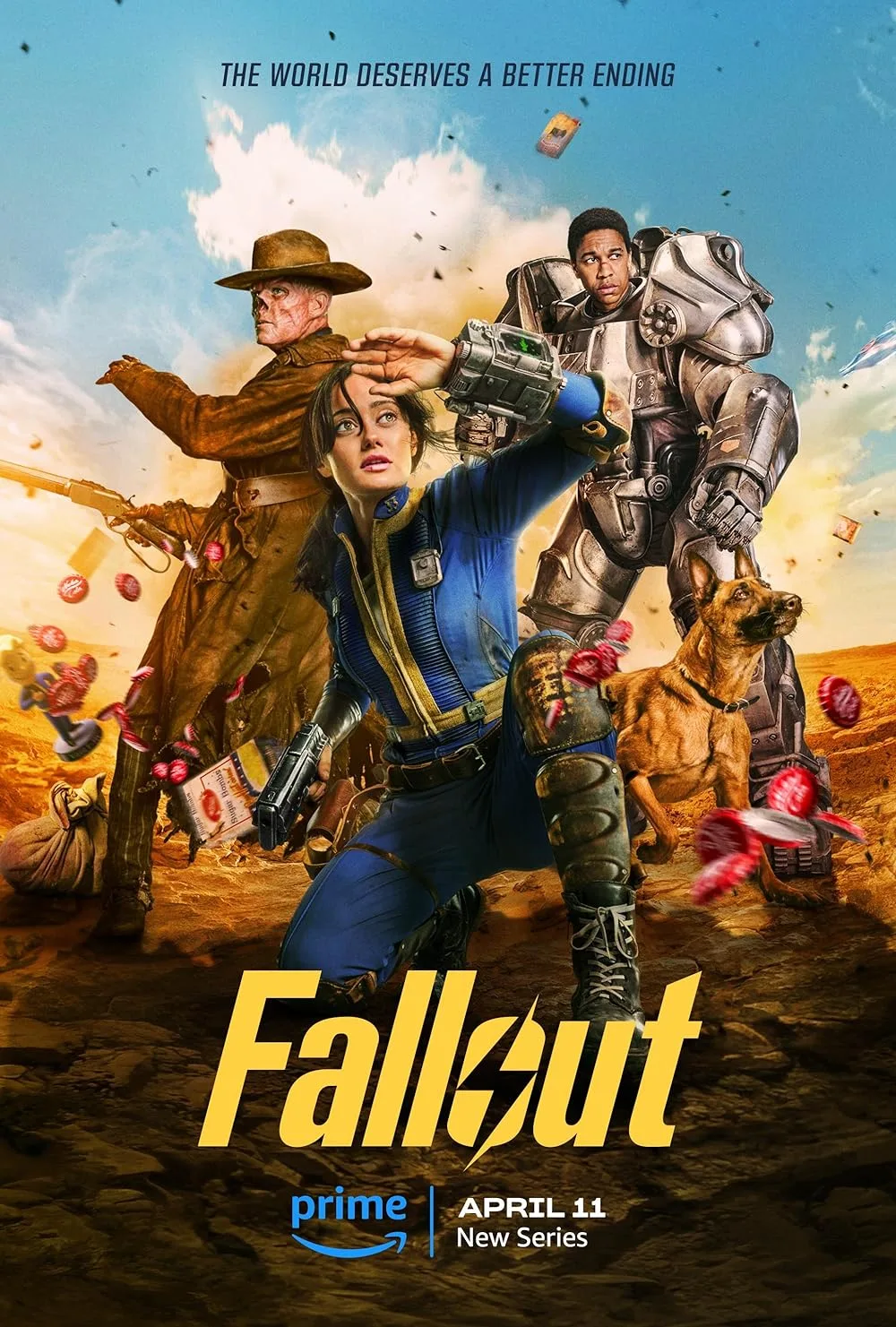
"Fallout" on Amazon Prime is not merely a series; it is a meticulously crafted homage to the beloved video game franchise. With Jonathan Nolan and Lisa Joy at the helm, the series bridges the gap between interactive and passive entertainment, enriching the narrative with deep cuts and nods to its video game origins while forging its own identity within the vast post-apocalyptic world.
The Setting and Atmosphere
Set against the backdrop of a nuclear-devastated America in 2296, "Fallout" presents a world teetering on the edge of oblivion. The series expertly recreates the bleak yet strangely nostalgic landscapes that fans recognize, from the dilapidated remains of urban centers to the desolate wilderness that now defines the continent.
The Vault Experience
At the heart of this universe is Vault 33, home to protagonist Lucy McLean (Ella Purnell) and a microcosm of Vault-Tec's social experiment. This setting allows the series to delve into the psyche of its sheltered inhabitants, whose entire understanding of the world is filtered through the Vault's lens—mirroring the player's perspective when first leaving the Vault in the games.
Character Dynamics and Development
Lucy's character arc, from naive vault dweller to seasoned surface survivor, is a narrative anchor and a reflective journey akin to the experiences of Fallout players. Alongside Lucy, characters like the Ghoul (Walton Goggins) and Maximus (Aaron Moten) offer contrasting views of resilience and adaptation in the face of apocalypse, embodying the series' thematic focus on survival and morality.
Key Easter Eggs and Their Significance
- The Pip-Boy Device:
- In a delightful nod to the games, Lucy equips a Pip-Boy device early in the series. This gadget, integral to the gameplay experience, is used by Lucy to navigate the wasteland, manage her inventory, and access archives, serving as a narrative device to provide background information and lore.
- Familiar Factions:
- The inclusion of factions like the Brotherhood of Steel and the Raiders not only deepens the world-building but also aligns closely with the game's narrative. These groups have distinct ideologies and aesthetics pulled directly from the game, enriching the plot with inter-faction dynamics and conflicts.
- Iconic Weapons and Apparel:
- Weapons like the Laser Rifle and outfits such as the Vault Jumpsuit are more than mere props; they are integral to the identity of "Fallout." These items are showcased in various action sequences, offering a visual treat to fans and serving functional roles in the plot.
- Soundtrack and Radio:
- True to the game's form, the series features a soundtrack that includes period-specific music and eerie tracks that would not be out of place in the game's radio stations. This auditory homage helps set the tone and immerse viewers in the "Fallout" atmosphere.
Plot Nuances and Adaptation Choices
While the series takes liberties with its plot, it remains faithful to the thematic essence of "Fallout." The narrative weaves through complex moral quandaries and the harsh realities of survival, encapsulated brilliantly in episodes that explore the consequences of technological hubris and human folly.
Conclusion
Amazon Prime's "Fallout" is a masterclass in adaptation, maintaining the core of what makes the game series a cult classic while introducing elements that make for compelling television. It is a testament to the rich narrative potential of video games and sets a high benchmark for future adaptations.
KEEP EXPLORING
This article was originally published on 28 Apr 2024. Product specifications, prices and availability may have changed. We sometimes receive review products and may earn commission through affiliate links. We are not obliged to publish a positive review. About our reviews and disclosures.