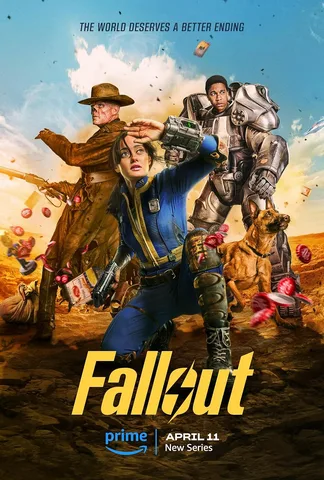
The "Fallout" video game series, developed by Interplay Productions and later taken over by Bethesda Game Studios, has been a staple in the realm of post-apocalyptic role-playing games since its inception in 1997. Its darkly humorous take on a post-nuclear war world, extensive lore, and choice-driven narratives have captivated a diverse audience of gamers. With the release of the new TV show based on the series, interest in Fallout's rich universe has surged once again. Here's a deep dive into each major installment of the series.
Fallout (1997)
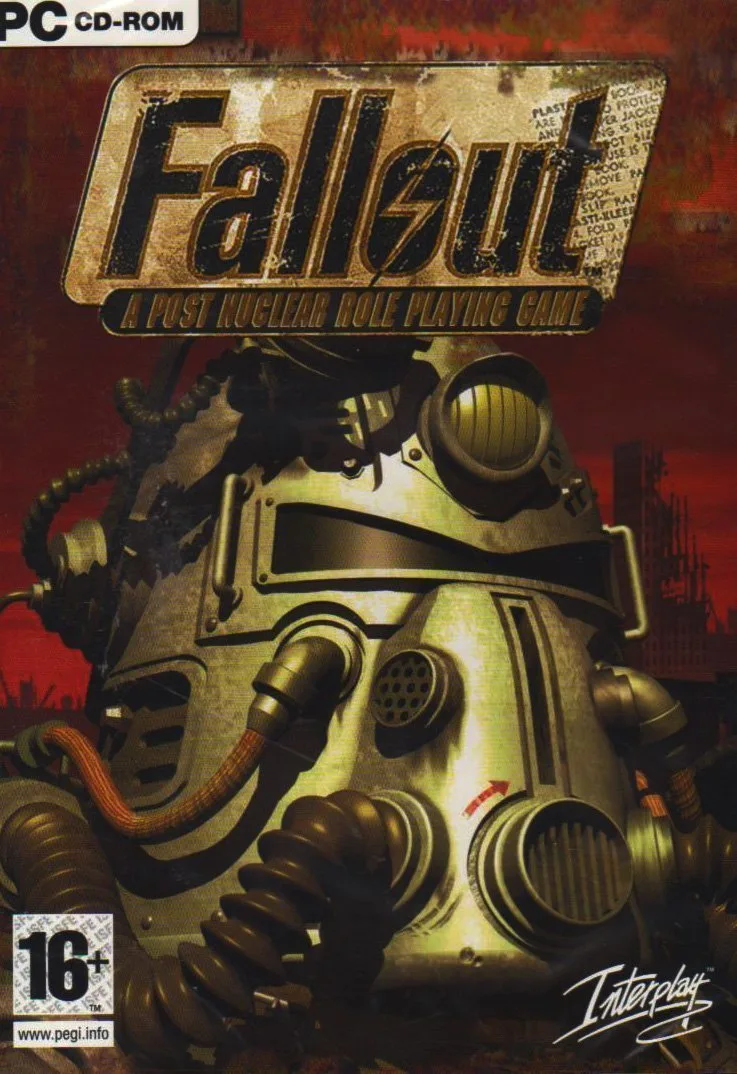
The original "Fallout" set the standard for the series with its retro-futuristic setting, influenced by post-war 1950s American culture, where the world has been devastated by a nuclear war in 2077. Players assume the role of the Vault Dweller, emerging from Vault 13 to find a water chip to save their underground community. The game introduced a flexible character development system and a moral consequence system that would become hallmarks of the series. Its turn-based combat and isometric view presented a strategic depth that was well-received and praised for its innovative approach to storytelling and player choice.
Fallout 2 (1998)
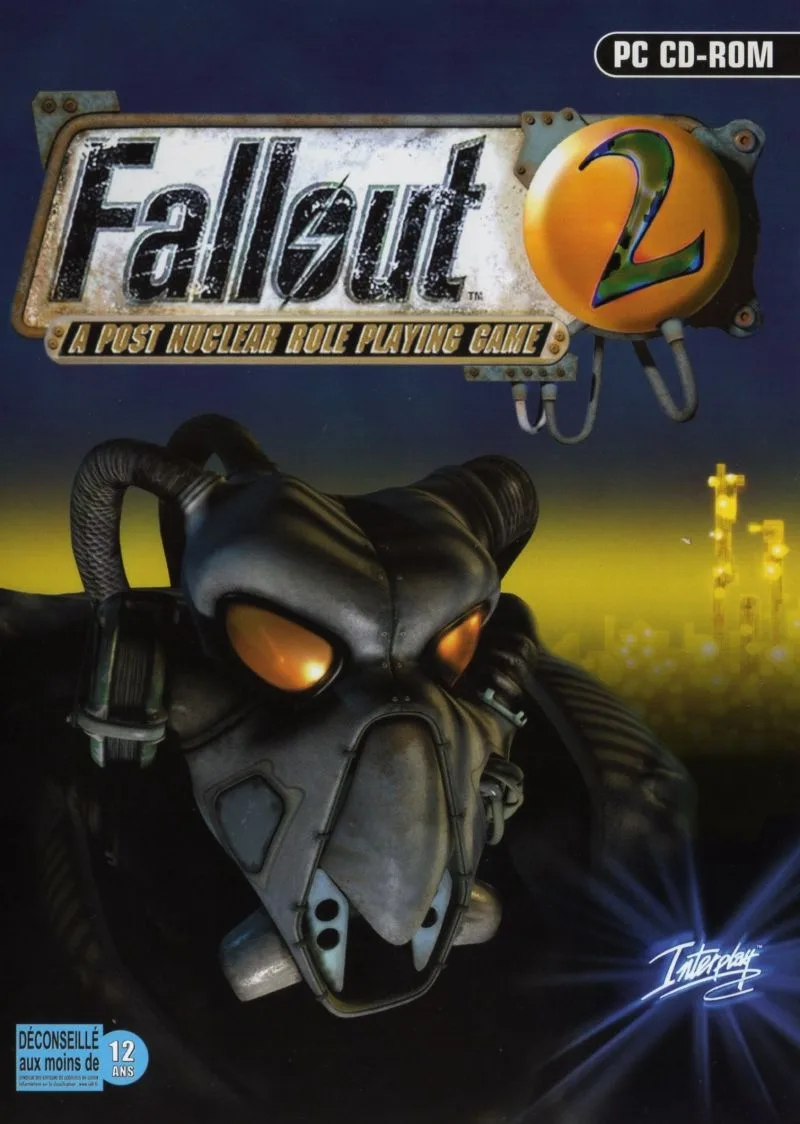
Following the success of its predecessor, "Fallout 2" enhanced the open-world experience with a larger map and more non-linear gameplay. Set in 2241, 80 years after the first game, it follows the story of the Chosen One, a descendant of the Vault Dweller, on a mission to save their tribe from famine by retrieving a mythical piece of pre-war technology known as the Garden of Eden Creation Kit (GECK). The sequel expanded on the original's RPG elements, offering a broader range of decisions and outcomes, and a greater emphasis on dark humor and satirical pop culture references.
Fallout 3 (2008)
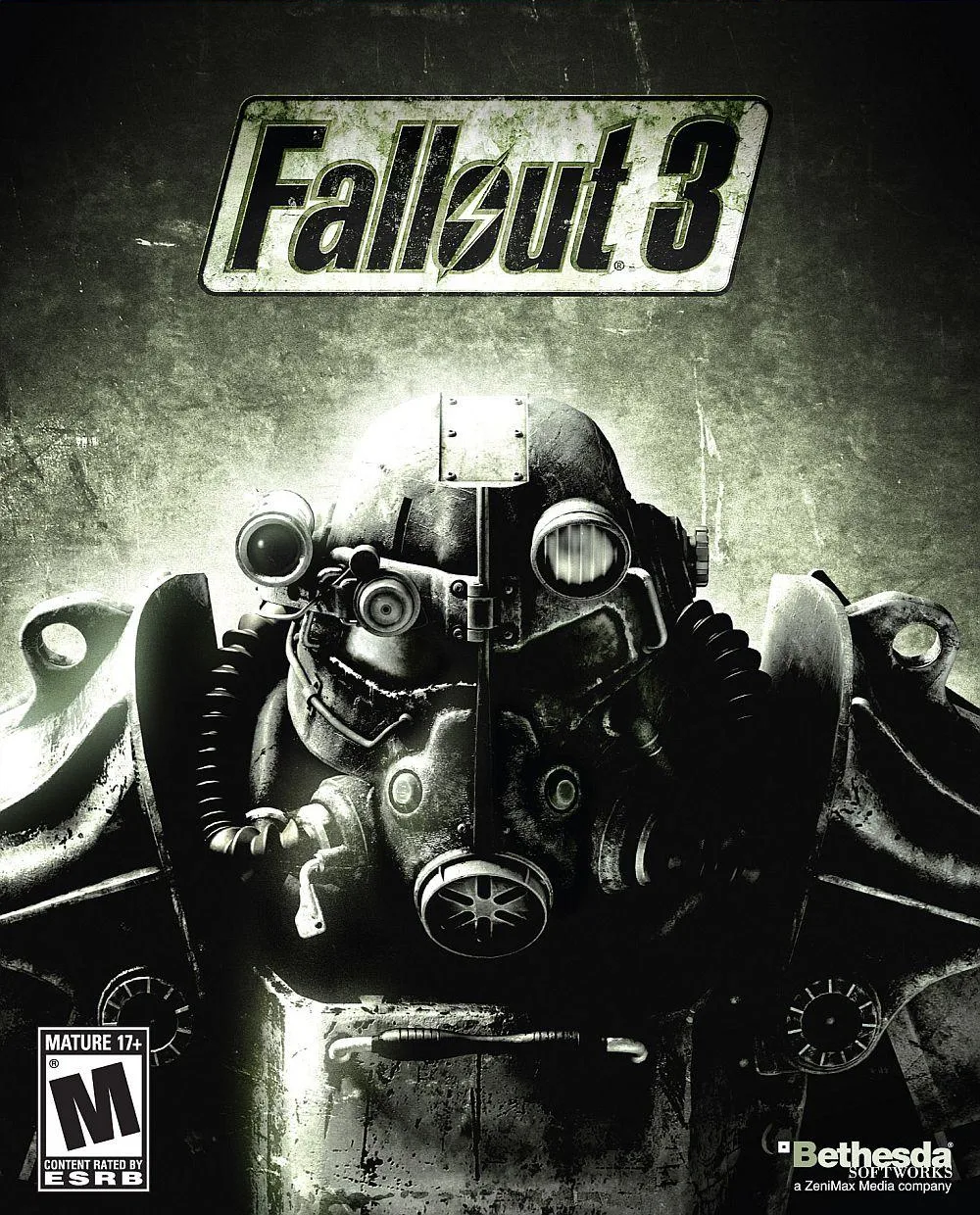
Taking a significant leap forward, "Fallout 3" transitioned the series from isometric graphics to a full 3D environment. Developed by Bethesda after acquiring the rights from Interplay, it introduced a new generation of gamers to the Fallout universe. Set in the Capital Wasteland, encompassing Washington D.C., Maryland, and Virginia, the game focuses on the Lone Wanderer, who ventures out from Vault 101 to find their missing father. With its V.A.T.S. (Vault-Tec Assisted Targeting System) combat system and deeply immersive world, Fallout 3 was a critical and commercial success, noted for its expansive world-building and narrative depth.
Fallout: New Vegas (2010)
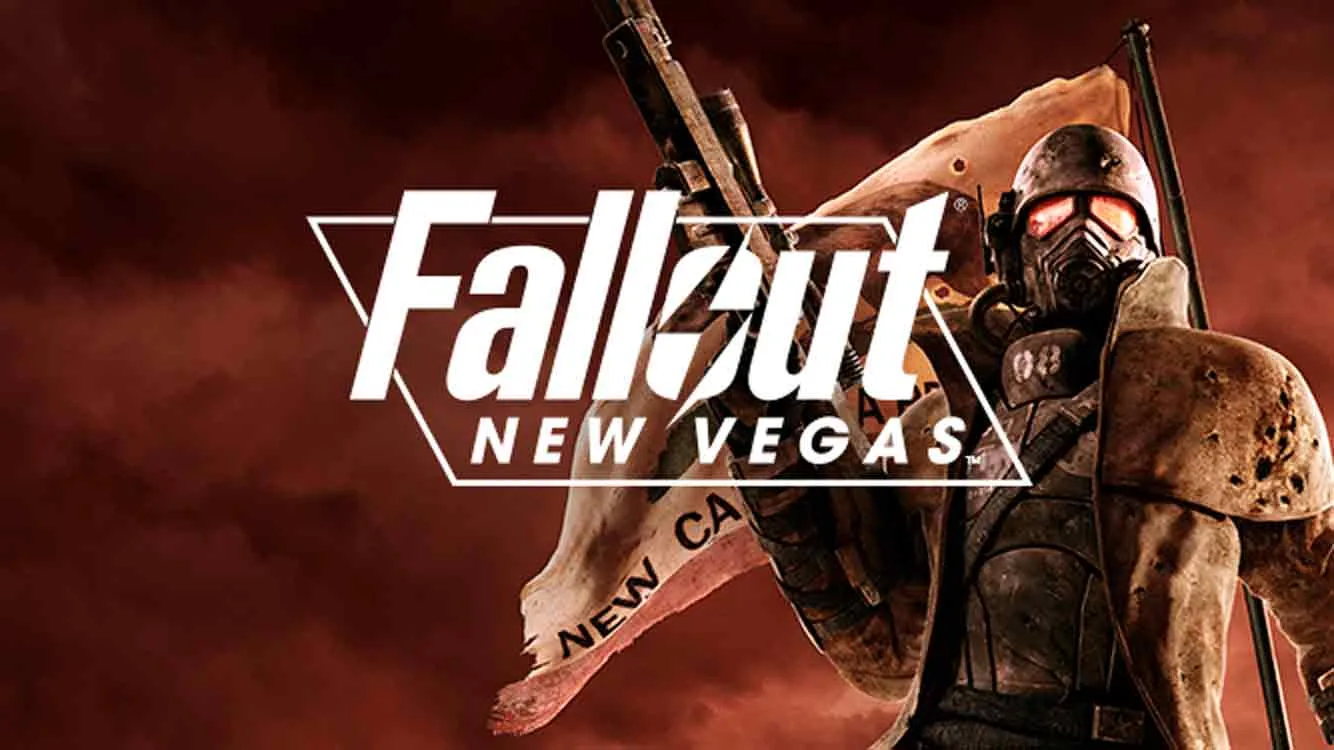
Developed by Obsidian Entertainment, "Fallout: New Vegas" offers a narrative-rich experience centered around the New California Republic (NCR), Caesar's Legion, and the mysterious Mr. House. The player takes on the role of the Courier, left for dead in the Mojave Desert and caught up in a struggle to control the Hoover Dam, vital for the region's power and water supply. Praised for its complex characters, faction-based storyline, and significant player agency, New Vegas is often hailed as the pinnacle of the series for its storytelling and replay value.
Fallout 4 (2015)
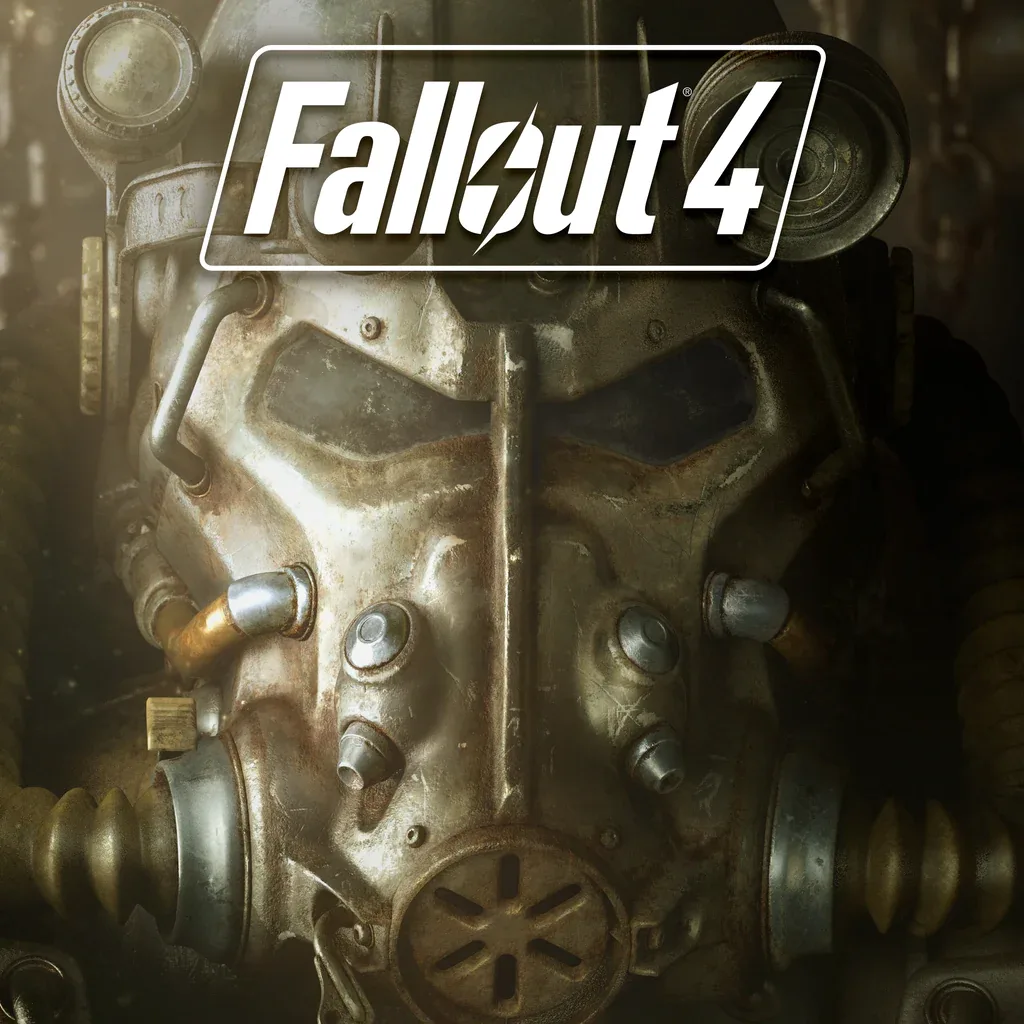
"Fallout 4" further advanced the series by introducing more refined graphics and real-time combat mechanics. Set in the post-apocalyptic region of Boston, known as the Commonwealth, the player emerges from Vault 111 as the Sole Survivor in search of their kidnapped son. Notable for its introduction of base-building and a voice-acted protagonist, Fallout 4 expanded the boundaries of its open-world dynamics while continuing to build on the series’ legacy of engaging, decision-driven narratives.
Fallout 76 (2018)
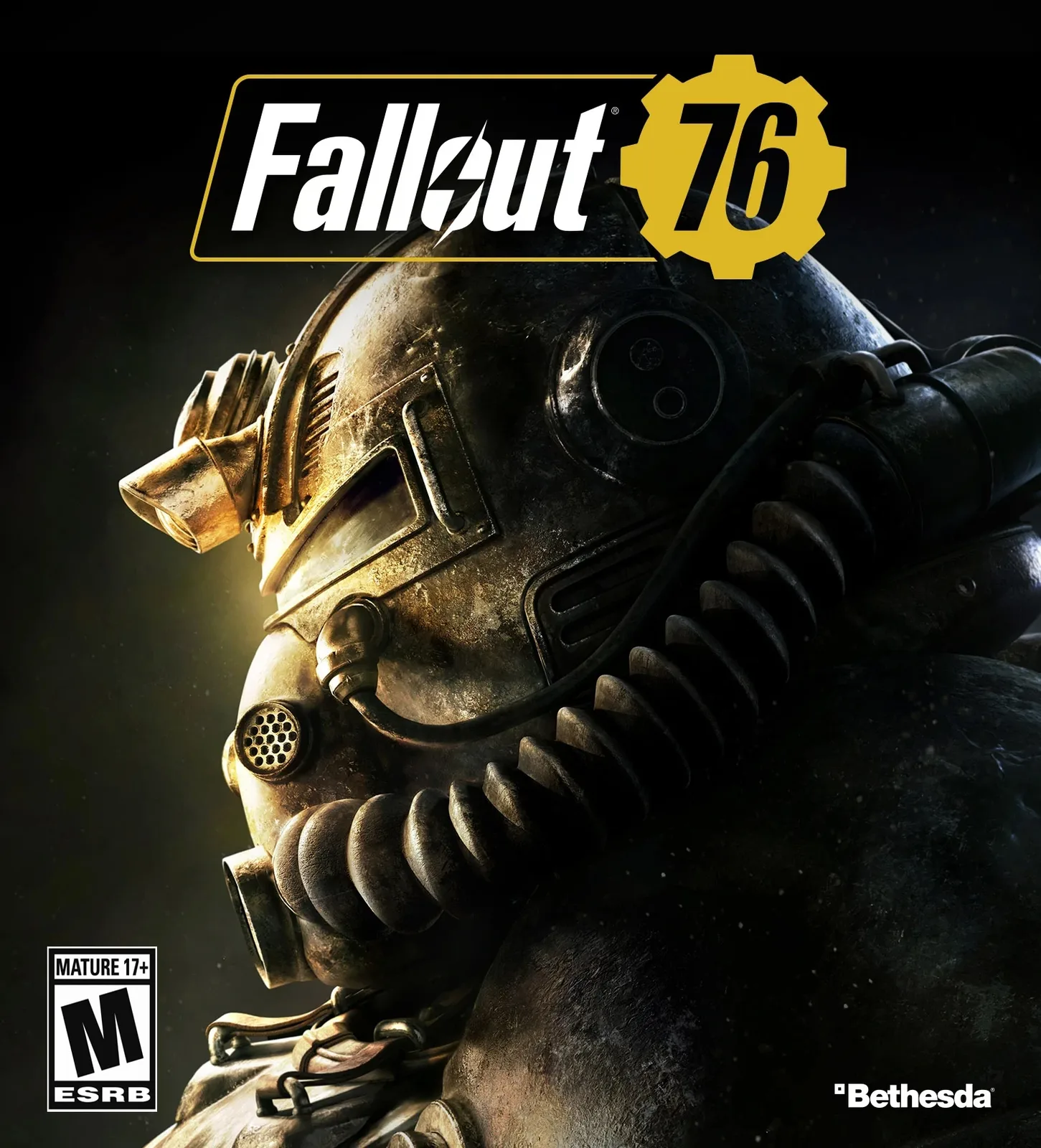
As the series' first multiplayer installment, "Fallout 76" represents a departure from the single-player storytelling tradition. Set in the hills of West Virginia, it explores the world just 25 years after the bombs fell, with players assuming the roles of Vault 76's inhabitants. Despite a rocky launch marred by technical issues and a lack of human NPCs (non-player characters), subsequent updates such as "Wastelanders" have addressed many criticisms, adding richer content and classic Fallout gameplay elements.
The Fallout Series: A Legacy of the Apocalypse
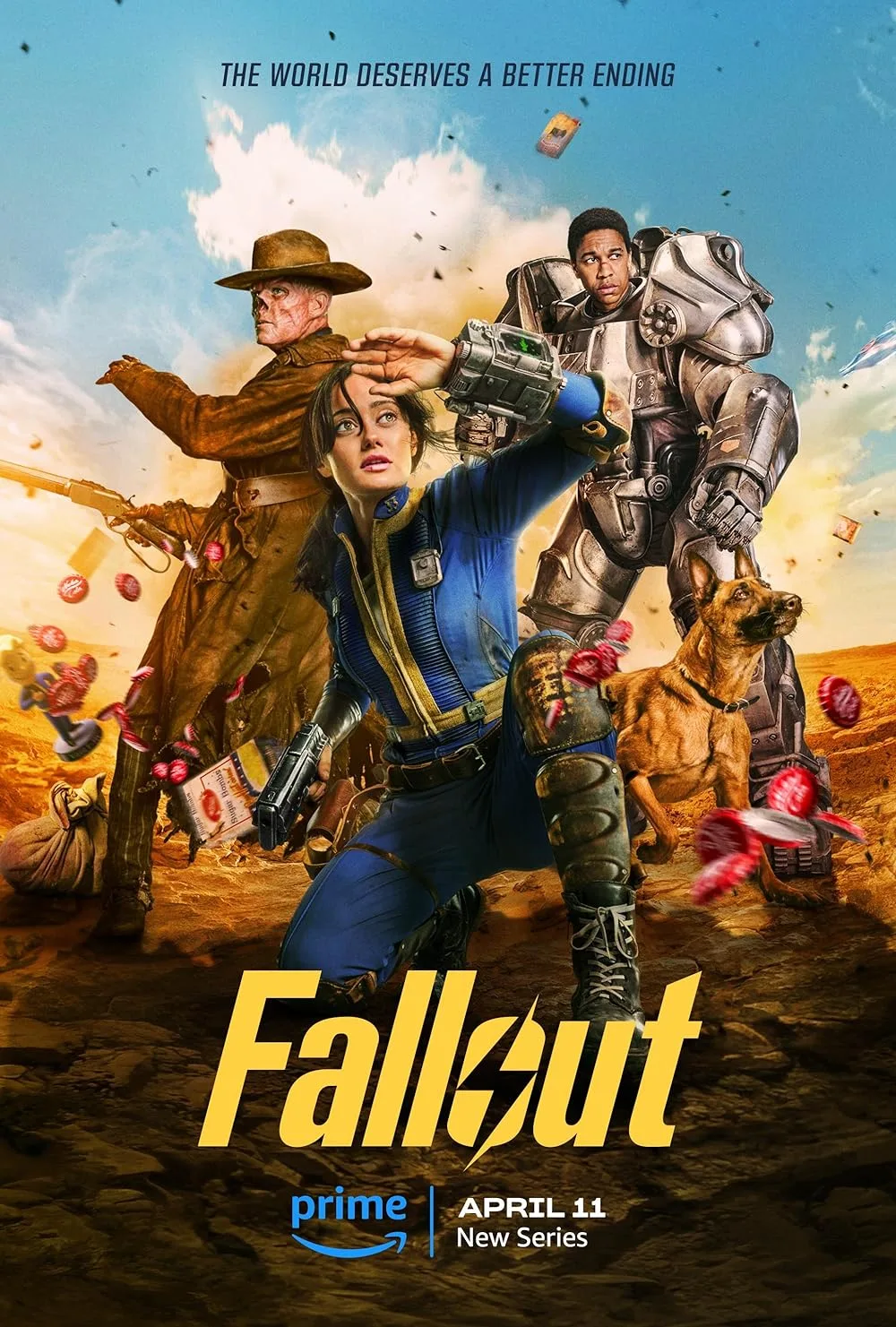
The Fallout series has built an enduring legacy with its detailed world-building, complex narratives, and the stark, irradiated beauty of its settings. Each game has contributed uniquely to the development of the series, maintaining the grim humor and critical social commentary that fans love. As the new TV show introduces this world to a broader audience, the Fallout series stands as a profound commentary on humanity, power, and survival in a world rebuilding from its ashes.
KEEP EXPLORING
This article was originally published on 23 Apr 2024. Product specifications, prices and availability may have changed. We sometimes receive review products and may earn commission through affiliate links. We are not obliged to publish a positive review. About our reviews and disclosures.