It's that time of year when the radiator is roasting, the other end of the living room is still freezing and the heating app seems determined to make you a part-time engineer. A radiator fan and a smart radiator valve both promise to make heating a bit cleverer, but they solve different problems.
Do radiator fans work? Yes, they can help a suitable water-fed radiator transfer warmth into a room more quickly. A smart thermostatic radiator valve (TRV), meanwhile, controls how much hot water reaches a radiator according to the room temperature and your settings. Neither is a guaranteed money-saving upgrade. Which one makes sense depends on why the room is uncomfortable in the first place.
Radiator fan vs smart radiator valve: the quick answer
| What you want to fix | Radiator booster fan | Smart radiator valve |
|---|---|---|
| A hot radiator but a slow-warming room | May improve airflow | Not primarily an airflow fix |
| Different room temperatures at different times | No room schedule | Can schedule individual radiators |
| An already comfortable room overheating | May be unnecessary | Can reduce heat when the target is reached |
| A radiator that won't heat properly | Diagnose the fault first | Diagnose the fault first |
| Equipment to check | Mounting clearance, socket, sensor | Valve body, hub, batteries, heating compatibility |
You don't necessarily need both. I'd start with the problem rather than the gadget.
How does a radiator booster fan work?
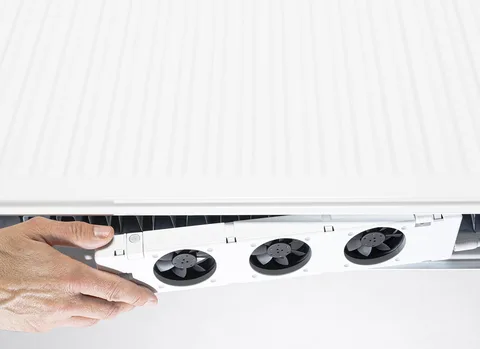
A normal panel radiator transfers heat through radiation and natural convection. A booster uses small fans to encourage more air to move past the heated surfaces. It does not create significant extra heat of its own or increase the boiler's maximum rated output.
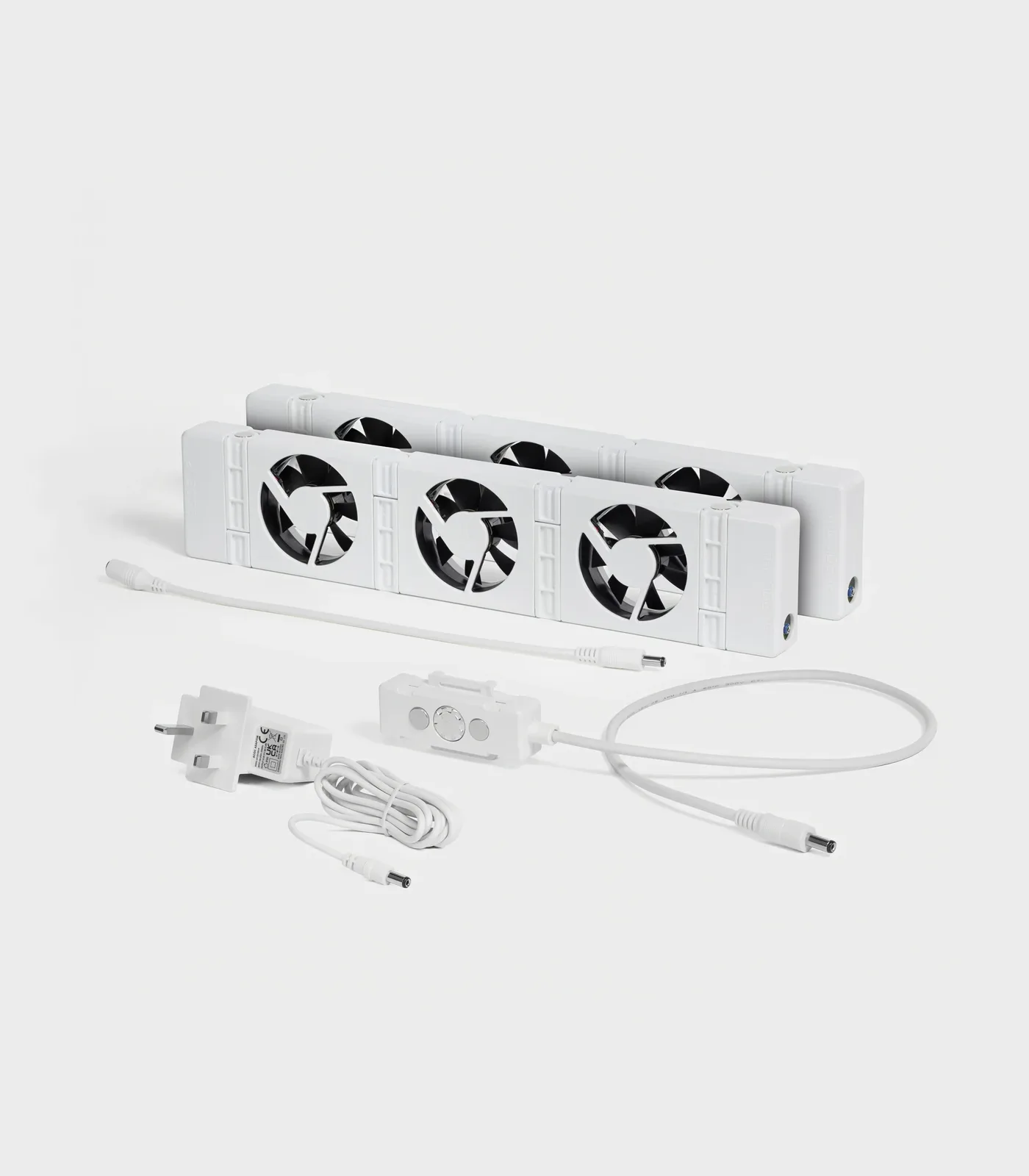
In our original SpeedComfort radiator fan review, the two compact units were easy to fit and the room felt warmer sooner. Our later SpeedComfort Duo review also liked the discreet mounting and quiet operation. Neither review measured a whole-house fuel saving under controlled conditions, so I'd treat those observations as useful comfort evidence, not proof of a particular reduction in bills.
SpeedComfort's sensor guidance explains how a temperature sensor starts the fans when the radiator warms and stops them as it cools. Check the exact version's sensor threshold if you use low-temperature heating.
Can radiator fans save money on your heating bill?
Potentially, but only if the way you use the heating changes. If improved heat distribution lets you reach a comfortable temperature sooner, or remain comfortable with a slightly lower room temperature, there may be a benefit. If you run the heating exactly as before, don't assume that simply attaching fans will lower the bill.
The fans themselves use electricity. SpeedComfort quotes about 0.55W for a unit. As an illustration, two units running at that power for six hours per day over 120 days would consume roughly 0.79kWh, before accounting for any adapter or standby differences. Multiply that by your electricity unit rate for an estimate. At an illustrative 30p/kWh, that is about 24p in running electricity. It isn't a current tariff quote or a measured household saving.
Purchase price, radiator size and your actual heating behaviour matter far more to the payback calculation. Don't take an advertised percentage saving as a promise for your own home.
What does a smart radiator valve do differently?
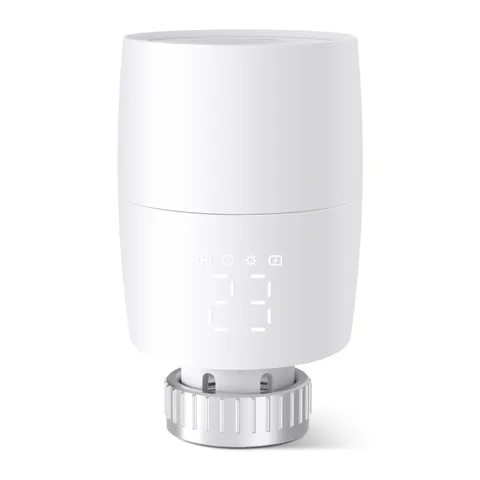
A TRV regulates the flow through a radiator in response to the surrounding temperature. A smart version adds scheduling and remote controls, depending on its system. That is handy when the spare room and home office need heat at completely different times.
The Energy Saving Trust's heating controls guidance is a useful starting point. Aim for the lowest comfortable setting in each room rather than heating everything unnecessarily. Keep adequate background warmth where needed to avoid damp and protect health.
Our TP-Link Kasa KE100 review covers a concrete example. TP-Link's UK specifications say the KE100 requires its KH100 hub for smart functions, and supports several valve adapters. Check the whole cost, not just the price of one valve. Also check whether your chosen system can request heat from your boiler or only control radiator flow when the central heating is running. The two capabilities are not interchangeable.
Before buying either gadget
- Check whether the radiator gets warm across its surface. A radiator with persistent cold areas, leaks or other heating faults may need attention from a qualified heating professional.
- Move furniture and long curtains away from the radiator where practical.
- Check the radiator type and dimensions against the fan's mounting guidance. SpeedComfort specifically excludes electric radiators and infrared panels.
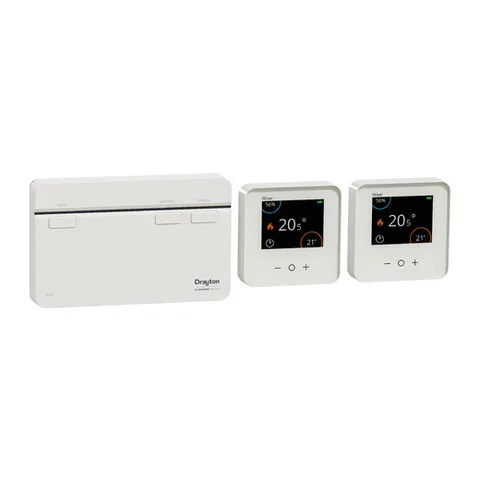
- Check the smart valve's compatibility, any required hub and how the central thermostat interacts with it.
- Think about noise near a bed or desk, access to a suitable socket, and whether batteries or cables are an inconvenience.
For a heat pump or a boiler running at a lower flow temperature, ask your installer about radiator output and control compatibility. Don't change unfamiliar boiler or hot-water settings based solely on an accessory advert.
Can you use both together?
Yes, if both are compatible with your heating system. A smart valve can set the desired room temperature while a fan helps move air around a warm radiator. Keep the valve's temperature sensing in mind: trapped warm air near a radiator or a cover can make temperature readings less representative of the room.
If you're starting from scratch, I'd try the cheapest changes first. A little clearance around the radiator and sensible schedules cost nothing. If the radiator already gets properly hot but the room warms slowly, a booster is the more relevant gadget to consider. If the wrong rooms are being heated at the wrong times, smarter controls are the more relevant upgrade.
The verdict: radiator fans can help with comfort, smart valves can help with control. Buy the one that addresses your actual heating problem, and judge any bill-saving claim against your own use rather than a figure on the box.
KEEP EXPLORING
This article was originally published on 28 Nov 2026. Product specifications, prices and availability may have changed. We sometimes receive review products and may earn commission through affiliate links. We are not obliged to publish a positive review. How we review and disclose partnerships.